If you’re considering container storage for furniture, tools, business stock or household belongings, one concern probably comes to mind: do storage containers get damp?
It’s a sensible question. Storage containers are made from steel, and changes in temperature can cause condensation if moisture inside the unit is not properly controlled.
However, condensation, damp and rainwater leaks are not the same thing. A well-maintained, anti-condensation treated container can provide clean, practical storage throughout the year, especially when belongings are packed and stored correctly.
💧 Quick answer
Storage containers can develop condensation when warm, moisture-filled air meets cold steel surfaces. This is more likely in untreated, poorly maintained containers or when wet belongings are placed inside.
Anti-condensation treatment helps control moisture as it forms, reducing the risk of water droplets collecting on the ceiling and dripping onto stored items.
You should still make sure everything is clean and dry before storage, leave space for air to circulate and pack moisture-sensitive belongings carefully.
At Accrington Container Storage, customers rent full-size 20ft containers with around 160 sq ft of space. Every unit is anti-condensation treated and protected by monitored CCTV, secure lockboxes and gated access.
Storage costs £150 including VAT per month, with 24/7 drive-up access and no hidden extras.
This guide explains why condensation happens, how anti-condensation treatment works and what you can do to keep your belongings protected during storage.
Jump to:
- Do Storage Containers Get Damp?
- What Causes Container Condensation?
- Condensation, Damp or a Leak?
- How Anti-Condensation Treatment Works
- How to Protect Your Belongings
- Which Items Need Extra Care?
- Are Storage Containers Waterproof?
- Can You Use Container Storage Long-Term?
- Dry Container Storage in Accrington
- FAQs
Do Storage Containers Get Damp?
A storage container should not simply be assumed to be damp because it is made from steel.
Modern storage containers are designed to provide enclosed, weather-protected space. However, moisture can still become a problem if:
- The container is damaged or poorly maintained
- Condensation is not properly controlled
- Wet or damp belongings are placed inside
- Items are packed too tightly for air to move around them
- Moisture-sensitive belongings are stored without suitable protection
Choosing a good storage facility therefore matters. You should look beyond the size and price of the unit and consider its condition, condensation treatment, security and how the site is managed.
A clean, treated container that is used properly can be suitable for furniture, boxes, tools, stock, appliances, motorbikes and many other everyday belongings.
For a broader list, read our guide explaining what you can and can’t store in a container.
What Causes Condensation in a Storage Container?
Condensation happens when moisture in the air meets a surface cold enough for that moisture to turn into water droplets.
In a steel container, the roof and walls can cool quickly as the outside temperature falls. If the air inside the unit is warmer and contains moisture, droplets may begin to form on the colder steel.
This is sometimes called “container rain” because untreated condensation can collect on the ceiling before dripping onto the contents below.
Several things can increase the amount of moisture inside a container:
- Wet furniture, tools or equipment
- Damp clothing, fabrics or cardboard boxes
- Recently washed vehicles or machinery
- Fresh timber, plants or other moisture-holding materials
- Large changes between daytime and night-time temperatures
- Items packed tightly against cold walls
Condensation does not necessarily mean the container is leaking. It can happen inside a completely enclosed steel unit because of the moisture already present in the air or stored belongings.
Condensation, Damp or a Leak?
People often use the words condensation, damp and leaking interchangeably, but they describe different problems.
| Issue | Likely Cause | What It Looks Like |
|---|---|---|
| Condensation | Moist air meeting cold steel surfaces. | Droplets forming on the ceiling or upper walls, often after temperature changes. |
| Water leak | Damage to the roof, doors or seals allowing rainwater inside. | Water entering from one particular point, often during or after rainfall. |
| Damp belongings | Items being placed into storage before they are completely dry. | Musty smells, moisture around particular items or damp packaging. |
| Trapped moisture | Poor packing or items pressed tightly together without airflow. | Localised moisture, mould or musty smells between boxes and furniture. |
If you notice moisture inside a rented container, report it to the storage provider rather than assuming the cause. They can inspect the unit and determine whether it is condensation, damage or moisture introduced by the stored contents.
How Does Anti-Condensation Treatment Work?
Anti-condensation treatment is applied to the internal steel surface of a container, usually across the ceiling where condensation is most likely to collect.
The treatment creates a porous surface that absorbs moisture as it begins to form. Rather than allowing water to build into large droplets and drip onto belongings, the moisture is held within the coating and released as conditions become drier.
This helps control the cycle of condensation and evaporation inside the unit.
Anti-condensation treatment is particularly useful for items such as:
- Furniture and household belongings
- Tools and trade equipment
- Business stock and boxed inventory
- Motorbikes and vehicle equipment
- Appliances and gym equipment
- Items being stored through winter
It is important to understand that anti-condensation treatment controls moisture rather than removing the need for sensible storage preparation.
If wet furniture, saturated cardboard or damp tools are placed inside, that moisture still has to go somewhere. The best results come from combining a treated container with clean, dry belongings and good packing practices.
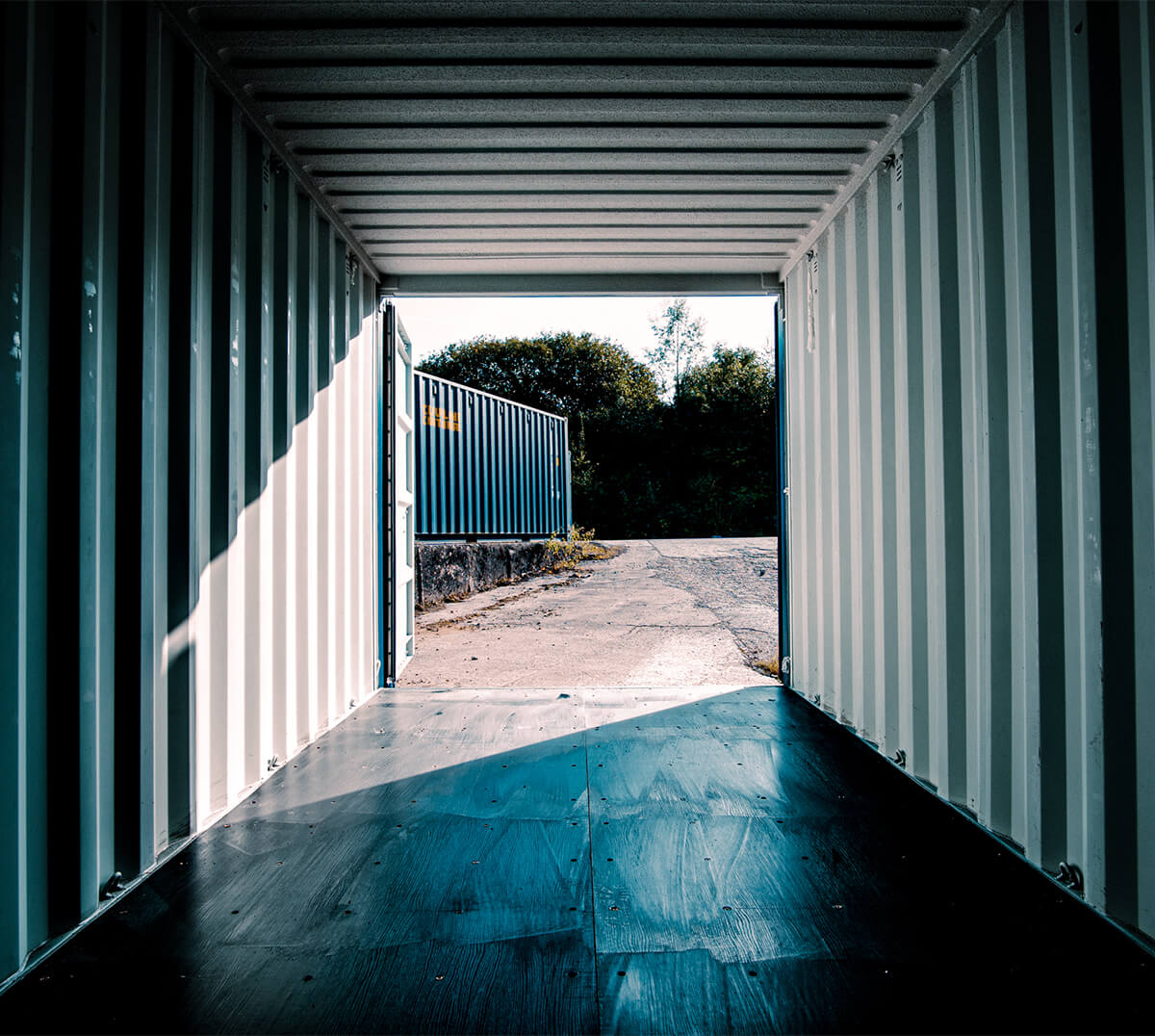
A clean, anti-condensation treated container provides practical space for furniture, boxes, tools and business stock.
How to Protect Your Belongings From Damp in Storage
The condition of the container matters, but the way you prepare and pack your belongings is just as important.
Before moving anything into storage, follow these practical steps:
| Storage Step | Why It Helps |
|---|---|
| Make sure everything is dry | Wet belongings introduce extra moisture into the container. |
| Avoid pressing items against the walls | A small gap allows air to move around furniture, boxes and equipment. |
| Use sturdy plastic boxes where suitable | Plastic containers provide more protection than thin or damaged cardboard. |
| Use breathable furniture covers | Breathable covers protect against dust without sealing existing moisture inside. |
| Keep items off the floor where practical | Pallets, shelving or suitable supports can improve airflow and organisation. |
| Do not overfill the container | Leaving an access route makes it easier to inspect belongings during longer storage periods. |
| Check sensitive items occasionally | Periodic checks help identify damaged packaging or introduced moisture early. |
Avoid wrapping furniture tightly in ordinary plastic sheeting if there is any chance that moisture is already present. Plastic can trap moisture against wood, upholstery or leather instead of allowing it to disperse.
If you are storing household furniture, our guides to storing furniture safely and preparing furniture for storage provide more detailed advice.
Which Items Need Extra Care in Container Storage?
Most dry, non-perishable household and business items can be stored safely, but some belongings are naturally more sensitive to moisture and temperature changes.
Furniture and Upholstery
Wood, leather and fabric should always be clean and completely dry before storage. Use breathable covers and avoid placing furniture directly against the steel walls.
Cardboard Boxes and Documents
Cardboard absorbs moisture more readily than plastic. Important paperwork, photographs and delicate books should be placed in sealed plastic boxes or suitable document containers rather than ordinary moving boxes.
Tools and Metal Equipment
Tools should be cleaned and dried before storage. Damp soil, rainwater and building residue can contribute to corrosion if equipment is stored while wet.
For tradespeople without suitable space at home, read our guide on storing tools without a garage.
Motorbikes and Vehicle Equipment
Motorbikes should not be placed into storage immediately after riding in rain or washing the bike. Dry the bodywork, controls and exposed metal before leaving it inside.
Our guide to motorbike container storage explains the preparation and insurance considerations in more detail.
Electrical Items and Appliances
Appliances should be drained, cleaned and dried before storage. Fridges, freezers and washing machines may need to be stored with their doors slightly open to prevent trapped smells and residual moisture.
Need Clean, Dry Container Storage?
Our Accrington site offers full-size 20ft storage containers with anti-condensation treatment, 24/7 drive-up access, monitored CCTV and secure lockboxes.
Each unit costs £150 including VAT per month, with no deposit or hidden extras.

Are Storage Containers Waterproof?
Storage containers are generally designed to be weather-resistant rather than completely waterproof in every imaginable situation.
A well-maintained container should protect its contents from ordinary rain and outside weather. However, its condition still matters. Damage to the roof, door seals or steelwork can potentially allow water inside if it is not repaired.
Before renting a container, look for signs that the unit and facility are properly maintained:
- Doors that close correctly
- No obvious holes or damaged roof sections
- Clean and dry internal surfaces
- Anti-condensation treatment
- A level, managed storage yard
- A provider that responds to maintenance issues
Remember that weather resistance and condensation control perform different jobs. The container structure helps keep outside rain away, while anti-condensation treatment helps control moisture forming on the inside.
Can You Use Container Storage Long-Term?
Yes. Container storage can be used for weeks, months or longer, provided the unit is suitable and belongings are prepared correctly.
Long-term storage is commonly used for:
- House moves and chain delays
- Renovations and building work
- Furniture and household belongings
- Business stock and equipment
- Tools and trade materials
- Vehicles and hobby equipment
- Long-term decluttering
If belongings will remain stored for several months, organise the container so you can reach sensitive or valuable items without unloading everything.
Check packaging periodically, avoid placing items directly against the walls and replace any moisture absorbers you have chosen to use according to their instructions.
It is also worth checking that your home, business or specialist storage insurance remains suitable for the full rental period.
What Should You Avoid Putting Into Storage?
Some items can introduce moisture, create safety risks or attract pests and should not be placed inside a storage container.
- Wet clothing, furniture or equipment
- Food, drink or other perishable goods
- Plants, soil or organic waste
- Fuel, gas bottles or flammable liquids
- Hazardous chemicals and corrosive substances
- Anything illegal, stolen or dangerous
If you are uncertain about a particular item, ask the storage provider before moving it into the unit.
Dry Container Storage Near You in Accrington
If you’re looking for secure container storage in Accrington, choosing treated and properly maintained units can help protect furniture, tools, stock and household belongings throughout the year.
Our Coach Road site serves customers from Accrington, Oswaldtwistle, Rishton, Great Harwood, Clayton-le-Moors, Huncoat and the wider Hyndburn area.
Customers also travel from Blackburn, Burnley, Rossendale and the Ribble Valley when they need full-size drive-up storage near the M65.
Every unit offers approximately 160 sq ft of space, anti-condensation treatment, 24/7 access and direct vehicle loading.
For more information about the access and loading process, read our guide to drive-up container storage.
Storage Container Damp and Condensation FAQs
These are some of the most common questions people ask before placing furniture, tools or household belongings into container storage.
Do shipping containers get damp inside?
Shipping containers can develop condensation if moisture in the air meets cold steel surfaces. This risk can be reduced through anti-condensation treatment, proper container maintenance and storing only clean, dry belongings.
What causes condensation in a storage container?
Condensation is caused by moisture-filled air cooling against the container’s steel roof or walls. Temperature changes, wet belongings, damp packaging and restricted airflow around stored items can all contribute.
What is container rain?
Container rain is the name sometimes given to condensation that collects on the inside of a container roof and then drips. Anti-condensation treatment is designed to absorb and control this moisture before large droplets develop.
Does anti-condensation treatment stop all moisture?
Anti-condensation treatment helps control moisture forming on the steel surface and reduces dripping. It cannot remove large amounts of moisture introduced through wet furniture, tools, clothing or damaged packaging, so belongings should still be completely dry before storage.
Are storage containers suitable for furniture?
Yes, a clean and anti-condensation treated container can be suitable for furniture storage. Furniture should be dry, covered with breathable materials and positioned with space around it rather than pressed tightly against the walls.
Should you use plastic boxes in container storage?
Strong plastic boxes can provide better protection than thin cardboard for many belongings. However, make sure the contents are dry before sealing the lid, as plastic boxes can also trap moisture already present inside.
Should furniture be wrapped in plastic for storage?
Avoid tightly sealing furniture in ordinary plastic if it may contain moisture. Breathable furniture covers are usually more suitable because they protect against dust while allowing some airflow.
Can tools rust inside a storage container?
Tools can rust if they are stored wet or exposed to ongoing moisture. Clean and dry tools first, remove soil or building residue and consider appropriate protective products for longer storage periods.
Can you store electrical items in a container?
Many electrical items and appliances can be stored, but they should be clean, dry and packed carefully. Particularly delicate or temperature-sensitive equipment may require specialist storage conditions, so check the manufacturer’s advice.
How often should you check items in long-term storage?
There is no fixed rule, but occasional checks are sensible when storing moisture-sensitive, valuable or delicate belongings for several months. Organise the unit so important items remain accessible.
Are Accrington Container Storage units anti-condensation treated?
Yes. Our 20ft storage containers are anti-condensation treated to help control moisture build-up and reduce the risk of dripping condensation inside the unit.
Are Storage Containers a Safe, Dry Storage Option?
A well-maintained and anti-condensation treated storage container can provide practical, weather-protected space for furniture, tools, stock, appliances and household belongings.
The important things are choosing a suitable facility, making sure everything is completely dry before storage and packing items in a way that allows air to move around them.
If you’re looking for secure container storage in Accrington, our 20ft units include anti-condensation treatment, 24/7 drive-up access, monitored CCTV, secure lockboxes and one straightforward monthly price.